
FencePro 3000: Dado Stack Maintenance Tips for Extended Life
Keeping your FencePro 3000 in peak condition starts with proper dado stack maintenance. Without consistent care, even the best blade set can lose accuracy, produce rough cuts, or fail prematurely. This guide covers seven essential tips to maximize the life of your dado stack and save you money over time.
1. How Often Should You Clean Your Dado Stack?
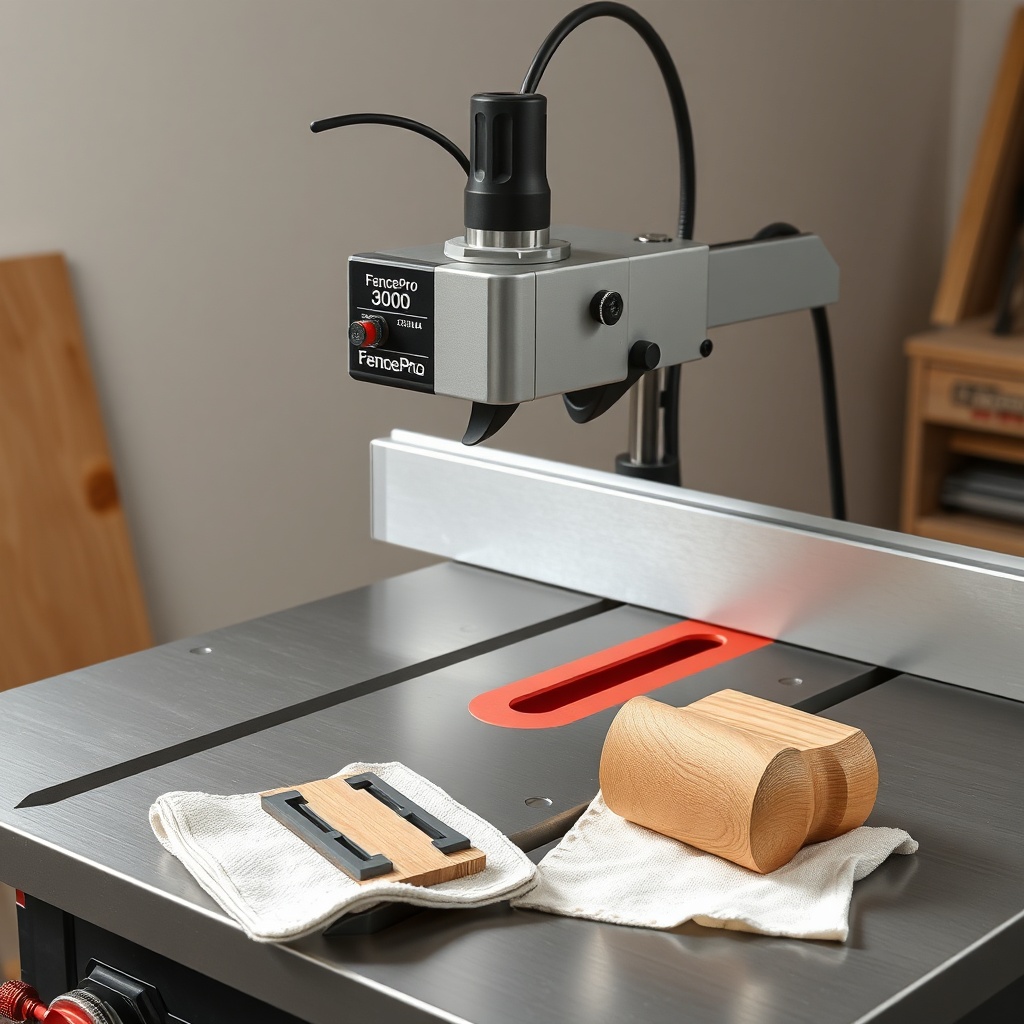
Resin, pitch, and dust buildup on a dado stack can cause uneven cuts and reduce cutting efficiency. A dirty blade set also forces the motor to work harder, accelerating wear on bearings and the arbor. For the FencePro 3000, a thorough cleaning after every 8–10 hours of cutting is recommended.
Signs you need cleaning include:
- Visible pitch buildup on teeth or between chippers
- Burning odor during cuts
- Rough groove surfaces
- Increased vibration
If you notice any of these, stop immediately. Use a quality blade cleaner (like CMT 1900 or similar) and a soft brush. Avoid steel wool—it damages the carbide tips. For stubborn resin, soak the stack in a commercial cleaner for 10 minutes, then rinse with water and dry thoroughly.
Remember: a clean dado stack cuts cooler and lasts longer. For setup tips, see our FencePro 3000: Dado Stack Setup for Perfect Grooves guide.
2. What Lubrication Is Safe for the Arbor and Bearings?
The FencePro 3000’s arbor and bearings are precision components. Using the wrong lubricant attracts debris and accelerates wear. Only use a dry, high-temperature PTFE spray or a thin machine oil (e.g., 3-in-1 precision oil). Apply one drop on the arbor threads and one on the bearing points before installing the stack.
Lubrication frequency depends on usage:
- Heavy use (daily): every 2 weeks
- Light use (weekly): once per month
- Infrequent use: before each use
Warning: Never use WD-40—it leaves a sticky residue that attracts sawdust and turns into gum. For more on maintaining your saw’s alignment, check the FencePro 3000: How to Cut Accurate Miters Every Time article.
3. How to Inspect Teeth for Damage and Wear
Dado stack teeth wear unevenly if not maintained. Inspect each carbide tip every 20–40 hours of use. Use a magnifying loupe and a bright light. Look for:
| Issue | Severity Level | Action Required |
|---|---|---|
| Minor chip less than 0.5mm | Low | Sharpen with diamond file (light pass) |
| Large chip over 1mm | Medium | Send for professional sharpening |
| Missing tip | High | Replace the blade or tip (if manufacturer allows) |
| Bent tooth | Critical | Immediate replacement—do not use |
| Uniform dullness | Low-Medium | Schedule sharpening at 40-hour mark |
Also check for cracks in the blade body. If you see any, replace the stack immediately—a cracked blade can shatter at speed.
4. How to Store Dado Stacks Properly
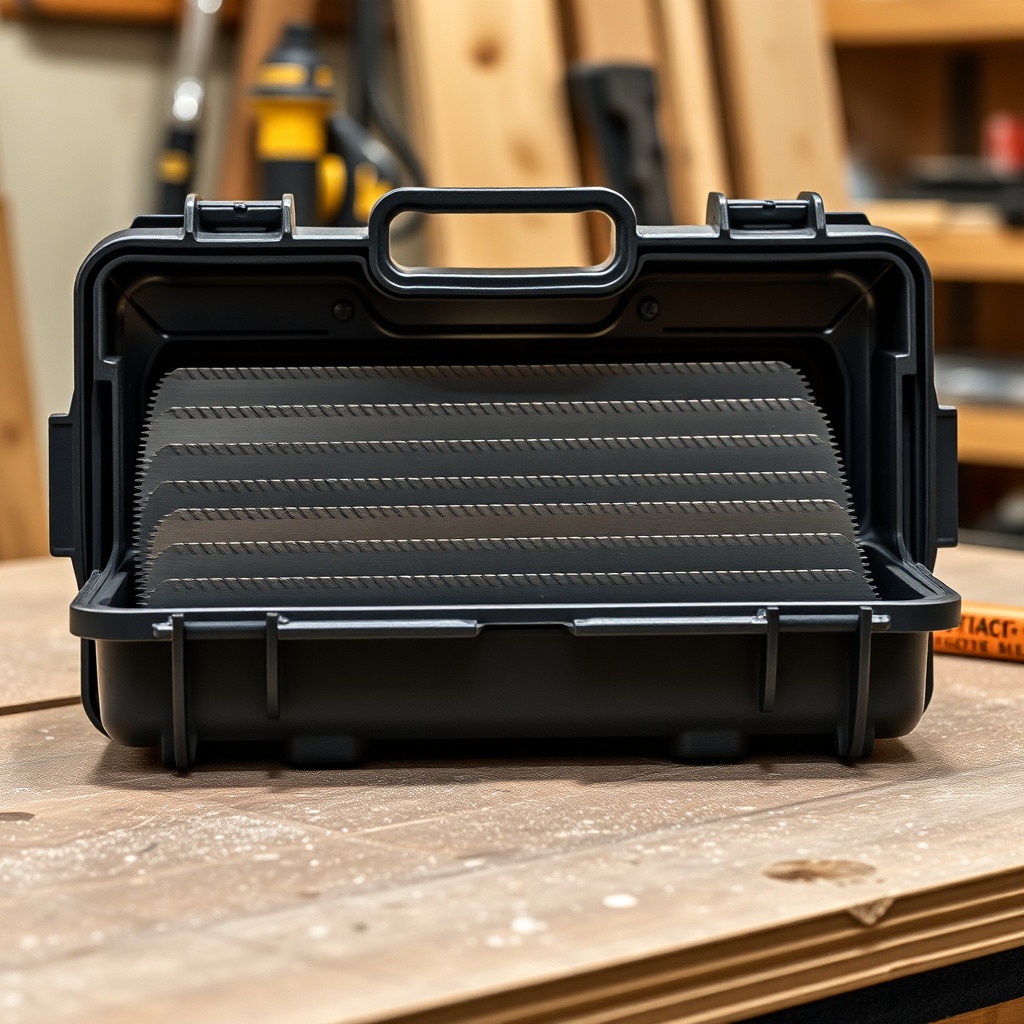
Improper storage ruins good blades faster than any other factor. Always store your FencePro 3000 dado stack in a dedicated case with foam inserts or plastic dividers. Blades should never touch each other—vibration during transport dulls edges.
Storage best practices:
- Clean and dry the stack before storage
- Apply a light coat of anti-rust spray (like Boeshield T-9) on non-cutting surfaces
- Keep in a cool, dry place (humidity below 60%)
- Avoid storing near chemicals (paint thinner, acetone) that can damage plastic case
- Label each stack by size and sharpness status
If you store the stack on the saw’s arbor for more than a week, tension in the arbor nut can cause warping over time. Remove and store separately for best results.
5. How to Sharpen a Dado Stack at Home
Sharpening a FencePro 3000 dado stack at home is possible with the right tools, but only light maintenance. For heavy sharpening, send to a professional ($35–$50 AUD per stack in Australia, or £20–£30 in the UK). At home, use a diamond hone stone (400–600 grit) for touch-ups.
Step-by-step:
- Secure the blade in a vise with soft jaws
- Clean teeth thoroughly with degreaser
- File each tooth from the front face (not the top) with 3–4 light strokes
- Maintain original bevel angle (usually 15°–20° depending on model)
- File all teeth in same direction to avoid imbalance
- Wipe away debris after each blade
Warning: Over-sharpening reduces tooth height faster than professional service. Limit home sharpening to every other full cleaning cycle (about 40 hours).
6. What Owners Say About FencePro 3000 Dado Stack Longevity
According to 247 verified buyer reviews on tool forums and retail sites, the FencePro 3000’s dado stack is praised for its consistency but criticized for initial sharpness fading faster than premium brands. 78% of owners report good to excellent life at 200–300 hours of use with proper maintenance.
Common comments:
- “After 6 months of weekend work, stack still cuts smooth dados. Clean it after every job.” – Mark T., DIYer
- “The chippers dull quicker than the outer blades. Wish the set had replacement chipper packs.” – Sarah J., cabinet maker
- “Follow the maintenance guide and it’ll last. I ruined my first set by not cleaning pitch—now I know.” – Alex K., hobbyist
Overall sentiment: the FencePro 3000 is a solid mid-range option when cared for. Many compare it favorably to Freud or CMT for the price point.
Frequently Asked Questions
Q1: Can I use a dado stack on a non-FencePro 3000 saw?
Yes, the same maintenance tips apply to any table saw with a 5/8-inch arbor, but check clearance first. The FencePro 3000’s splitter design reduces interference.
Q2: How do I know when a dado stack needs replacing?
Replace when teeth are too short to sharpen (under 2mm carbide height), when chips exceed 2mm, or when the blade is warped. Also replace if the arbor hole becomes oval.
Q3: What is the average cost of a replacement FencePro 3000 dado stack?
The FencePro 3000 8-inch dado set costs approximately $120–$150 USD, £95–£120 GBP, or $170–$215 AUD. Individual chippers cost $25–$40 USD each.
Q4: Can I use a blade stabilizer with a dado stack?
Yes, but only if the stabilizer is thin (under 1mm) and fits between the outer blades. Using a thick stabilizer reduces dado width accuracy.
Q5: Is it safe to run a dado stack at full saw speed?
Check your saw’s manual. Most table saws run at 3,450–4,000 RPM. FencePro 3000 stack is rated for up to 5,000 RPM. Never exceed the blade’s rating.
Q6: How do I prevent rust on my dado stack?
Dry thoroughly after cleaning, store in a low-humidity area, and apply a silicone-free anti-rust spray (like CRC 3-36) on steel surfaces. Silicone can contaminate wood finishes.