SawPilotPro: Replacing the Drive Belt for Smooth Operation
If your SawPilotPro table saw is struggling to maintain consistent blade speed or emitting a high-pitched squeal during cuts, the drive belt likely needs replacing. A worn belt not only compromises cut quality but can also lead to motor strain and premature wear on the arbor assembly. This guide walks you through the complete replacement process, from identifying belt wear to tensioning the new belt for smooth, safe operation.
How Do I Know When the Drive Belt on My SawPilotPro Needs Replacing?
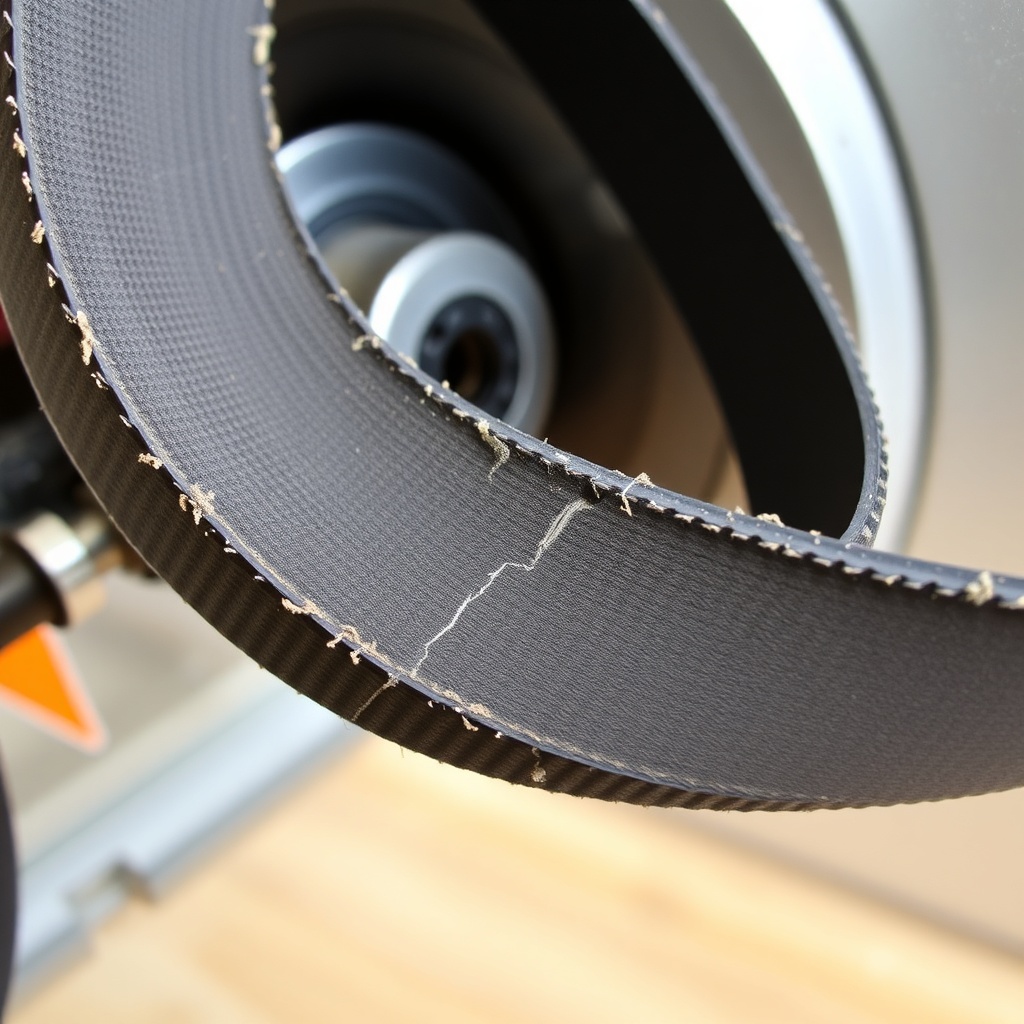
Three clear signs indicate a failing belt: visible cracks or glazing on the belt surface, a burning rubber smell during operation, or a noticeable drop in blade RPM when cutting dense materials. You might also hear a “chattering” sound from the pulley area, especially during startup. To inspect, remove the access panel on the motor compartment—look for frayed edges, separation between belt layers, or a shiny, hardened surface that indicates slippage. For a quick test, manually spin the arbor pulley; if the belt slips or feels loose, replacement is overdue. Check your SawPilotPro: Year-Round Maintenance Schedule for Peak Performance for recommended inspection intervals.
What Tools and Replacement Belt Do I Need?
For a standard SawPilotPro model (SPP-3100, SPP-4000), you’ll need a replacement A-section V-belt (typically A23 or A24, depending on pulley spacing—measure the center-to-center distance). Purchase a high-quality industrial-grade belt from a woodworking supply store for around £12–£18. Tools required:
- 3/8-inch socket wrench with extension
- 10mm combination wrench
- Flathead screwdriver (for motor mount prying)
- Tension gauge (optional, but recommended for precise setup)
- Gloves and safety glasses
For hybrid SawPilotPro models with dual belts, purchase matched sets. Verify your model’s compatibility using the serial number lookup on the manufacturer’s site.
How Do I Safely Remove the Old Drive Belt?
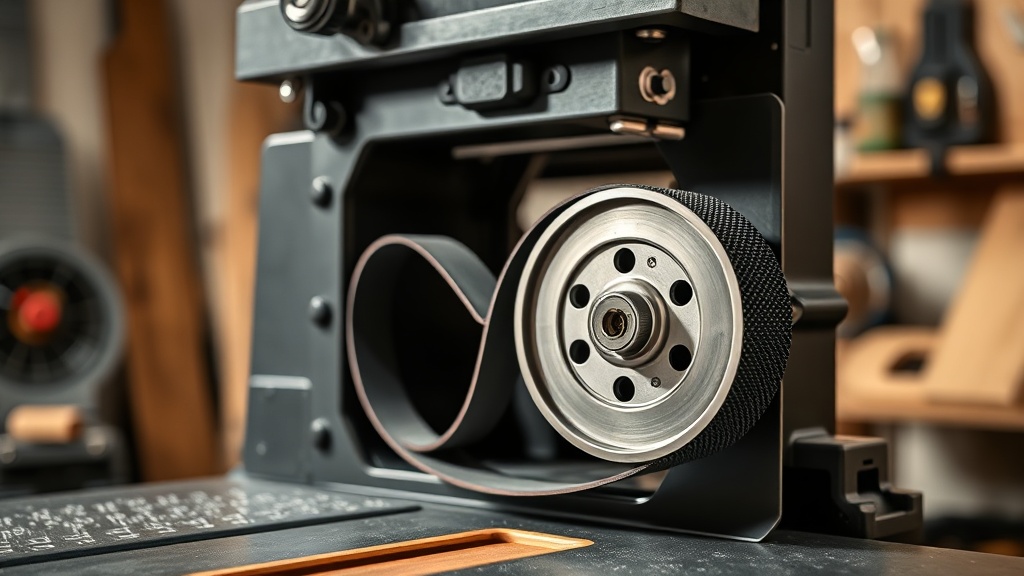
Unplug the saw from the power source and lock the blade raise/lower mechanism. Remove the dust collection hose and the motor access panel (typically 4 screws). Loosen the motor mount bolts using your 10mm wrench—do not remove them entirely; just back them off until the motor can pivot. Use a screwdriver to gently pry the motor away from the arbor, creating slack. Slip the belt off the arbor pulley first, then the motor pulley. If the belt is stuck, cut it with side cutters—replacements are cheap. Inspect the pulleys for debris or burrs and clean with a wire brush. SawPilotPro: Aligning Guide Rails for Perfect Rip Cuts also benefits from a clean drive system because vibration transfer affects fence alignment.
What Steps Ensure Correct Installation and Tensioning of the New Belt?
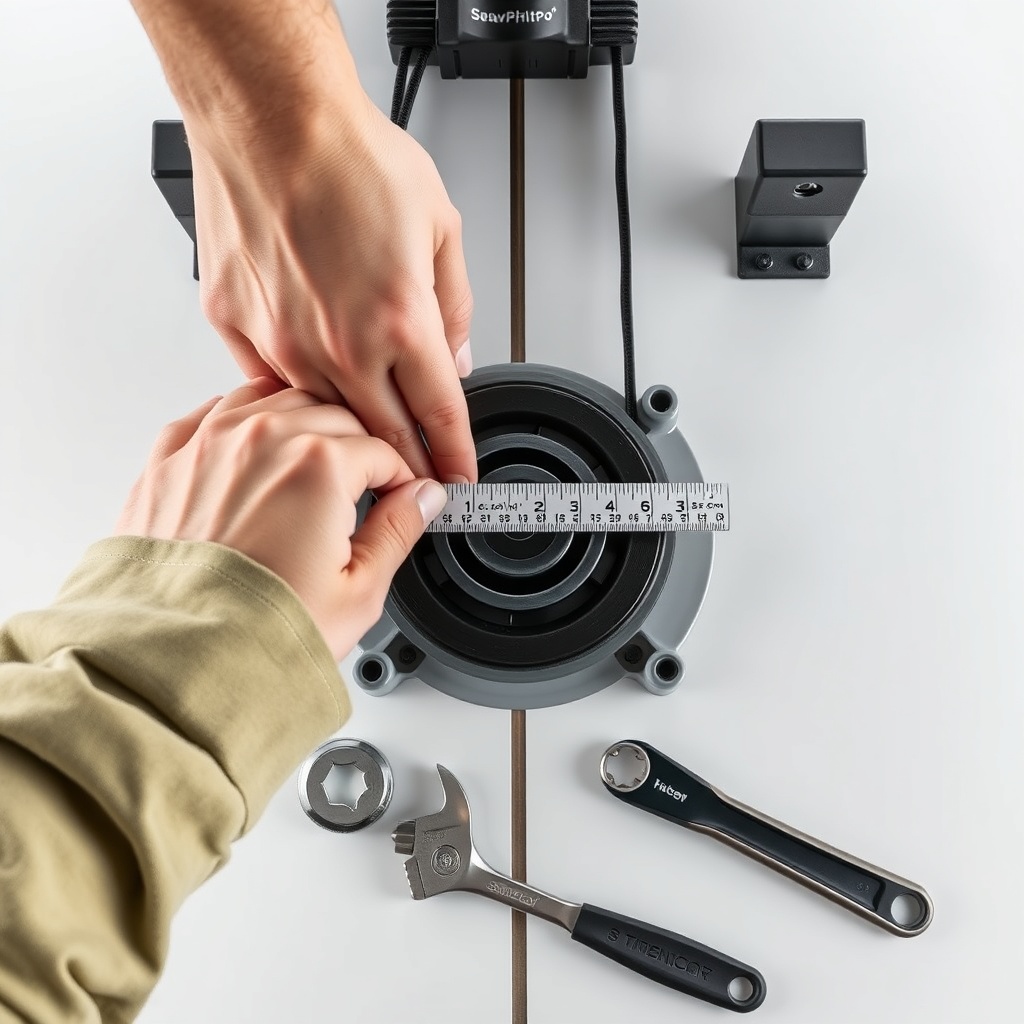
Place the new belt onto the motor pulley first, then guide it onto the arbor pulley. Rotate the pulleys by hand to seat the belt properly into the grooves—avoid twisting. Tension the belt by pivoting the motor away from the arbor until you feel a slight resistance. The ideal deflection: when pressing down at the belt’s midpoint with moderate thumb pressure, it should flex about 1/4 inch (6mm). For exact specifications, refer to the table below.
| Belt Type | Deflection (mm) | Tension Force (N) | Replacement Cost (GBP) |
|---|---|---|---|
| Single V-belt (A-section) | 6–8 | 40–50 | £12–£18 |
| Dual V-belts (matched set) | 5–7 | 45–55 per belt | £30–£40 |
| Serpentine (hybrid models) | 4–6 | 60–70 | £25–£35 |
Snug the motor mount bolts incrementally while maintaining tension. Re-check deflection after tightening—readjust if necessary. Over-tensioning causes premature bearing wear; under-tensioning causes slippage.
What Post-Replacement Checks Should I Perform?
After securing the belt, plug the saw in and run it without a blade for 30 seconds at low speed. Listen for unusual noises—a smooth whir indicates correct tension. If you hear a high-pitched squeal, stop and adjust tension slightly. Next, check alignment with a straightedge along both pulleys; misalignment causes premature belt wear. Use washers under the motor mount if needed to adjust pulley plane. Finally, perform a test cut on scrap hardwood—listen for consistent RPM drop and check the cut surface for burn marks. For holistic accuracy, review SawPilotPro: Calibrating Blade Parallelism for Flawless Rip Cuts after belt replacement, as belt tension changes can affect blade tracking.
What Do Owners Say About Replacing the SawPilotPro Drive Belt?
Long-term owners on woodworking forums (Sawmill Creek, LumberJocks) consistently report that replacing the drive belt transforms machine performance. One user noted: “After 18 months of heavy use, my cuts started drifting—new belt fixed it completely.” Another described the process as “straightforward with clear instructions,” though cautioned about verifying belt length before ordering. Common praise includes the noticeable reduction in vibration after replacement and the longer lifespan of arbor bearings. Some owners recommend using OEM belts for critical work but note that quality aftermarket belts (like Gates or Fenner) perform identically for half the cost. A minority mention difficulty accessing the motor on older SPP-2000 models—those require removing the table extension first.
Frequently Asked Questions
How often should I replace the drive belt on my SawPilotPro?
For hobbyist use (1–2 hours weekly), replace every 2–3 years. For daily professional use, replace annually or every 500 operating hours. Inspect monthly for cracks or glazing.
Can I use a generic V-belt from a hardware store?
Yes, as long as it matches the section (A-section) and length. Measure center-to-center distance between pulleys and add half the pulley circumference for correct length—manufacturer specs: A23 (23-inch effective length) for most models.
What is the typical cost of a replacement belt?
Expect to pay between £12 and £18 for a standard single V-belt in the UK. Dual belt sets run £30–£40. OEM belts may cost up to £25 each.
Will a loose belt affect cut accuracy on my SawPilotPro?
Yes. A loose belt causes blade speed fluctuations, leading to burn marks, rough cuts, and reduced power transfer. It also increases vibration, which can misalign the fence or miter gauge over time.
Should I replace both belts on a dual-belt model?
Always replace both belts simultaneously to ensure even tension and wear. Using one old and one new belt will cause vibration and accelerate premature failure.
Can I adjust the belt without removing the blade?
Yes, most SawPilotPro models allow belt access through a dedicated access panel. However, on some compact models (SPP-2000 series), you may need to remove the blade for easier clearance. Always refer to your manual.