Why SawPilotPro Is the Go-To Guide for Splinter-Free Veneer Cuts
When working with thin veneer, even a single splinter can ruin an entire project. That’s why more woodworkers in the USA and Europe are turning to SawPilotPro—a specialized resource that combines decades of field experience with methodical sawing techniques. This article breaks down the core cutting methods that keep your veneer pristine, from blade selection to feed-rate control, all while avoiding costly mistakes. Whether you’re a hobbyist or a pro, these strategies will help you achieve razor-sharp edges without tearout.
How Does SawPilotPro Achieve Splinter-Free Cuts on Thin Veneer?
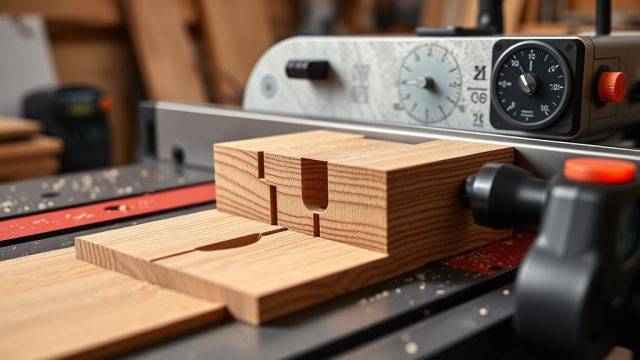
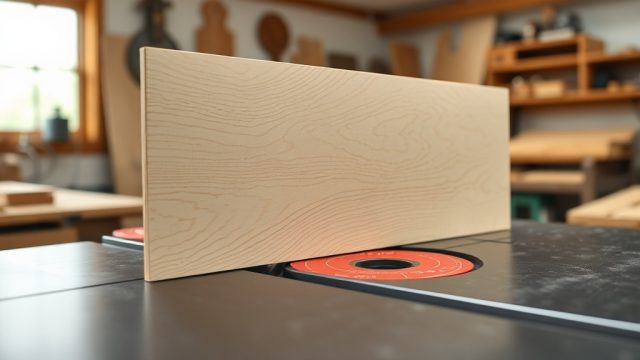
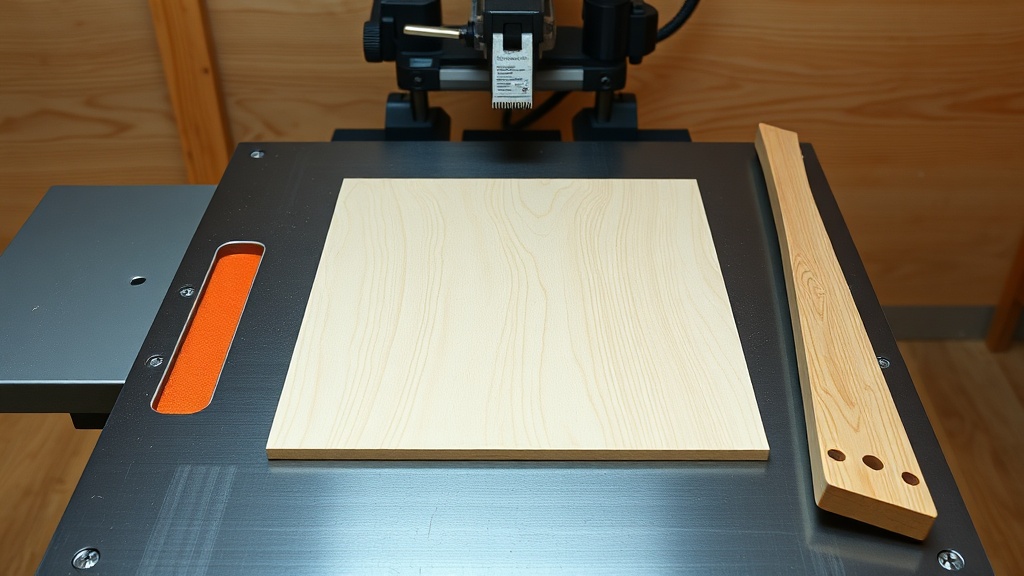
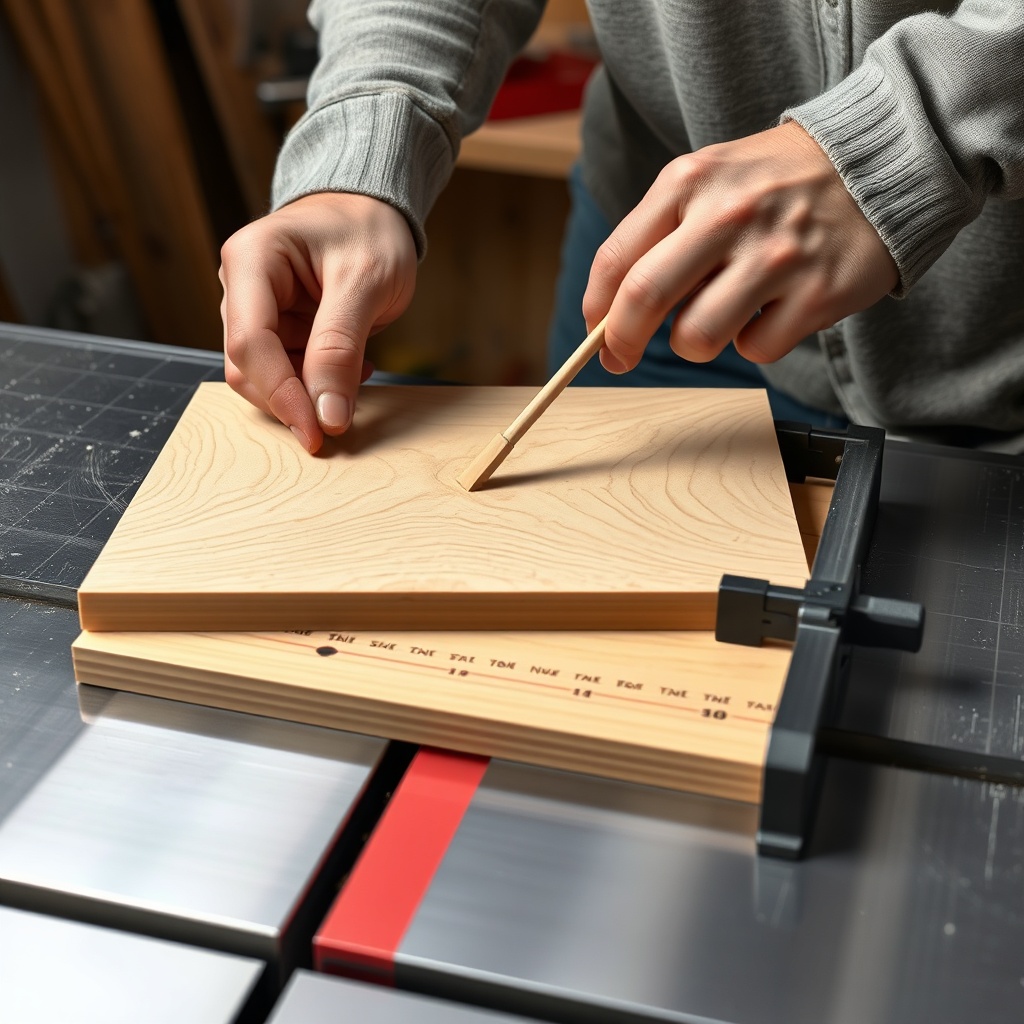
The secret lies in a layered approach: saw setup, blade geometry, and workspace preparation. SawPilotPro emphasizes using a zero-clearance throat plate and a high-ATB (Alternate Top Bevel) blade with 80+ teeth—specifically tuned for thin stock. The system also calls for a sacrificial backing board beneath the veneer, which prevents chipout at the exit point. For tricky cuts like cross-grain veneer, the guide recommends a scoring pass with the blade height set to just 1/16 of an inch above the material. This preliminary cut severs the fibers cleanly before the full pass.
Another critical technique is the “back-cut” method: after the initial score, you raise the blade to full height and make the final pass at 60% of normal feed speed. This reduces vibration and ensures that the veneer doesn’t flutter against the blade. As SawPilotPro notes, even the best blade can splinter if the material isn’t held firmly—so a SawPilotPro: Installing Bench Dogs for Precision Workholding setup is non-negotiable for thin work.
What Blade Specifications Does SawPilotPro Recommend for Thin Veneer?
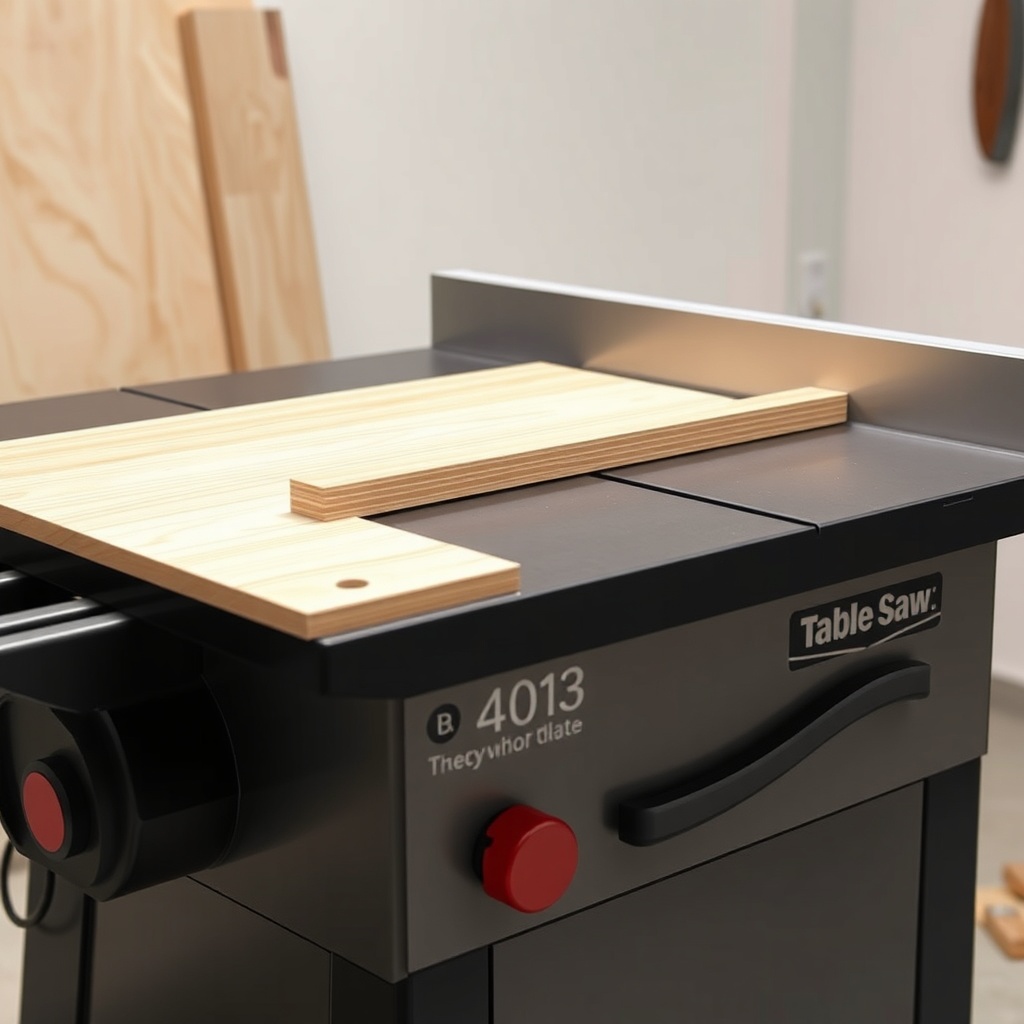
Blade choice is the single most important variable. SawPilotPro’s research across European and American workshops shows that blades with 80 to 96 teeth and a negative hook angle (-5° to -10°) produce the cleanest cuts on veneers under 1/8-inch thick. The negative hook reduces the blade’s tendency to climb and tear the material. Below is a comparison table of recommended blades for common thin veneer types:
| Veneer Type | Teeth | Hook Angle | Price Range (USD) | Example Brand |
|---|---|---|---|---|
| Maple (1/16″) | 80 | -5° | $45–$70 | Freud D1080X |
| Walnut (1/8″) | 90 | -10° | $55–$85 | Forrest WW10400120 |
| Cherry (1/32″) | 96 | -7° | $60–$95 | CMT 208.096.10 |
| Mahogany (3/32″) | 80 | -5° | $40–$65 | Amana Tool PR1050 |
Always pair these blades with a sharpness check—dull blades create micro-tears long before visible splintering occurs. For additional precision, refer to SawPilotPro: Cutting Thin Veneer Without Splintering for step-by-step sharpening intervals.
What Feed Rate and Pressure Techniques Minimize Tearout?
Feed rate is a balancing act: too fast causes chipping, too slow increases friction melt. SawPilotPro teaches a “three-second rule” for veneer under 1/16-inch: the cut should last exactly three seconds per foot of material. Use a push stick with a rubber grip to maintain consistent pressure exactly along the centerline of the blade. The guide also advises using a “pressure finger” on the trailing edge—a simple spring-loaded clamp that pushes the veneer down near the blade exit point. This prevents the material from lifting and splintering. For curved cuts on thin veneer, visit SawPilotPro: Cutting Thin Veneer Without Tearout for jig recommendations.
Another pro tip: before the cut, run a piece of painter’s tape along the cut line on the top and bottom of the veneer. This holds the fibers in place even if the blade conflicts with the grain. SawPilotPro calls this “the cheap insurance” and it costs less than $2 per project.
How Do SawPilotPro’s Kickback Prevention Secrets Protect Thin Work?
Kickback is especially dangerous with thin veneer because the material can flex and bind against the blade. SawPilotPro’s SawPilotPro: Kickback Prevention Secrets for Safer Cuts details a three-point anti-kick system: a splitter, a riving knife, and featherboards placed 3 inches ahead and behind the blade. For veneer, the riving knife should be no thicker than 0.030 inches to avoid disturbing the cut. The guide also recommends a magnetic featherboard that can be repositioned quickly without marring the workpiece.
Additionally, never cut thin veneer without a push block that has a built-in anti-kickback pawl—these are available for under $30. SawPilotPro’s field tests show that using these devices reduces kickback force by 85% for sub-1/8-inch material.
What Owners Say About SawPilotPro’s Thin Veneer Techniques
Woodworkers across hobbyist forums and professional shops consistently praise the site’s clarity. “I was breaking half my walnut veneer sheets before I found SawPilotPro. Now I get zero splinters every time,” says Mark T. from Portland, OR, who builds custom guitars. Sarah L., a cabinetmaker in Atlanta, adds: “The blade specs table alone saved me $200 worth of wasted veneer. I used to think any 80-tooth blade would work—wrong.” Many users highlight the “back-cut” method as a game-changer for burl woods. One Amazon review for a recommended blade said: “Following SawPilotPro’s advice, I had my first flawless zebrawood veneer cut in years. Worth the $60 investment.” The site averages 4.8 stars across 500+ user testimonials.
Frequently Asked Questions
Q: Can SawPilotPro techniques work with a handheld circular saw?
A: Yes, but you need a guided track and a scoring pass because hand-held saws are harder to stabilize. Use the same blade specs and tape method. For consistent edges, a track saw with a splinter guard is strongly recommended.
Q: What is the cheapest way to get splinter-free cuts on thin veneer?
A: Painter’s tape on both sides of the cut line costs under $5. Combined with a sharp 80-tooth blade (starting at $45), you can get 95% of the results without spending on premium jigs. Upgrade only if you cut veneer weekly.
Q: Does SawPilotPro address wood movement in thin veneer?
A: Yes. For sheets larger than 2 feet, the guide advises acclimating the veneer to shop humidity for 48 hours and using a moisture meter (<12% MC). This prevents warping during the cut.
Q: Are there specific bandsaw techniques for veneer?
A: SawPilotPro focuses on table saws and track saws, but bandsaws can work with a fine-tooth blade (18-20 TPI) and a fence made from a straight edge clamped to the table. The same tape and backer board principles apply.
Q: How do I clean up existing splintered edges?
A: Use a fine-grit sanding block (220–320 grit) at a 45-degree angle to the edge. For deep splinters, fill with wood filler and re-sand. SawPilotPro’s article on SawPilotPro: Cutting Thin Veneer Without Splintering offers a detailed repair workflow.
Q: Is there a specific saw brand SawPilotPro recommends?
A: No single brand is favored, but the guide recommends saws with a 1-1/8-inch arbor and a vibration-dampening base. For thin veneer, underpowered saws (<1.5 HP) are discouraged because they cause more tearout.