Introduction
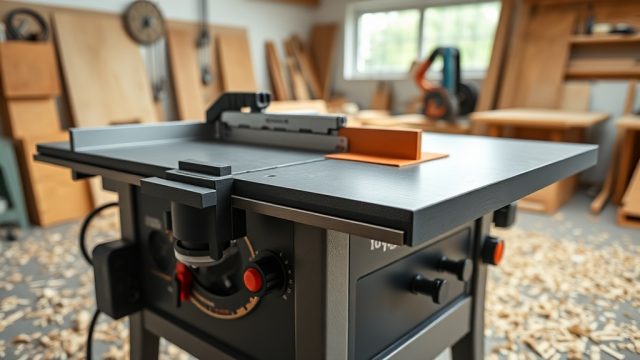
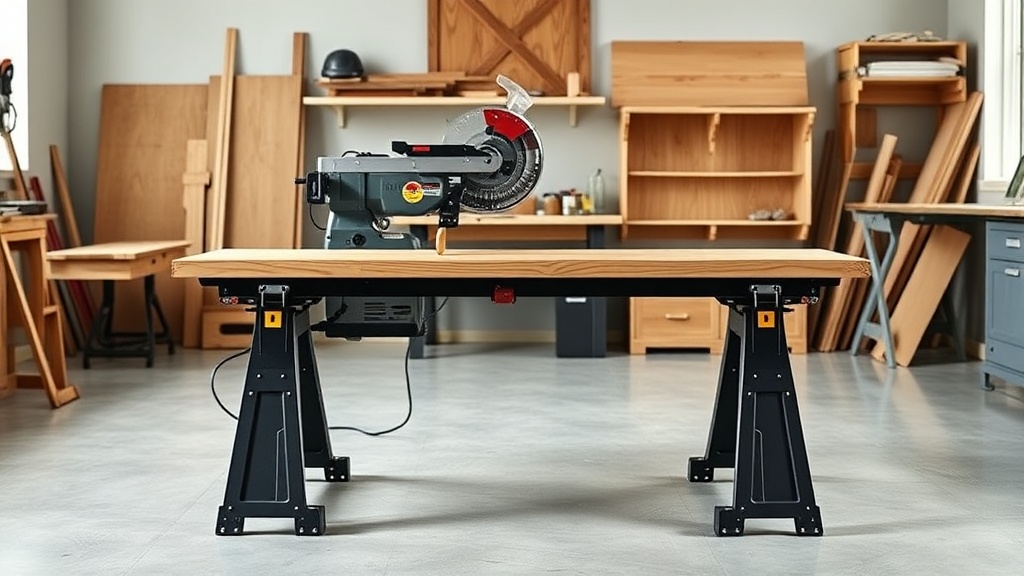
Every woodworker knows the struggle of supporting long, unwieldy workpieces on a SawPilotPro miter saw station. Roller stands are the unsung heroes of stable, accurate cuts—preventing sag, kickback, and frustration. In this guide, we’ll walk through setting up roller stands specifically for the SawPilotPro, covering height alignment, spacing, and real-world adjustments to boost your workflow.
Why Do You Need Roller Stands with SawPilotPro?
A SawPilotPro excels at precision miter and crosscuts, but its table extension is limited. Without proper support, a 6-foot board can dip mid-cut, causing uneven kerfs or dangerous binding. Roller stands act as mobile outfeed tables, ensuring the workpiece stays parallel to the blade throughout the cut. For advanced setups, see our guide on SawPilotPro: Evaluating Hybrid Accuracy Methods for Advanced Woodworking to understand how stabilization affects accuracy.
What Height Should You Set the Roller Stands?
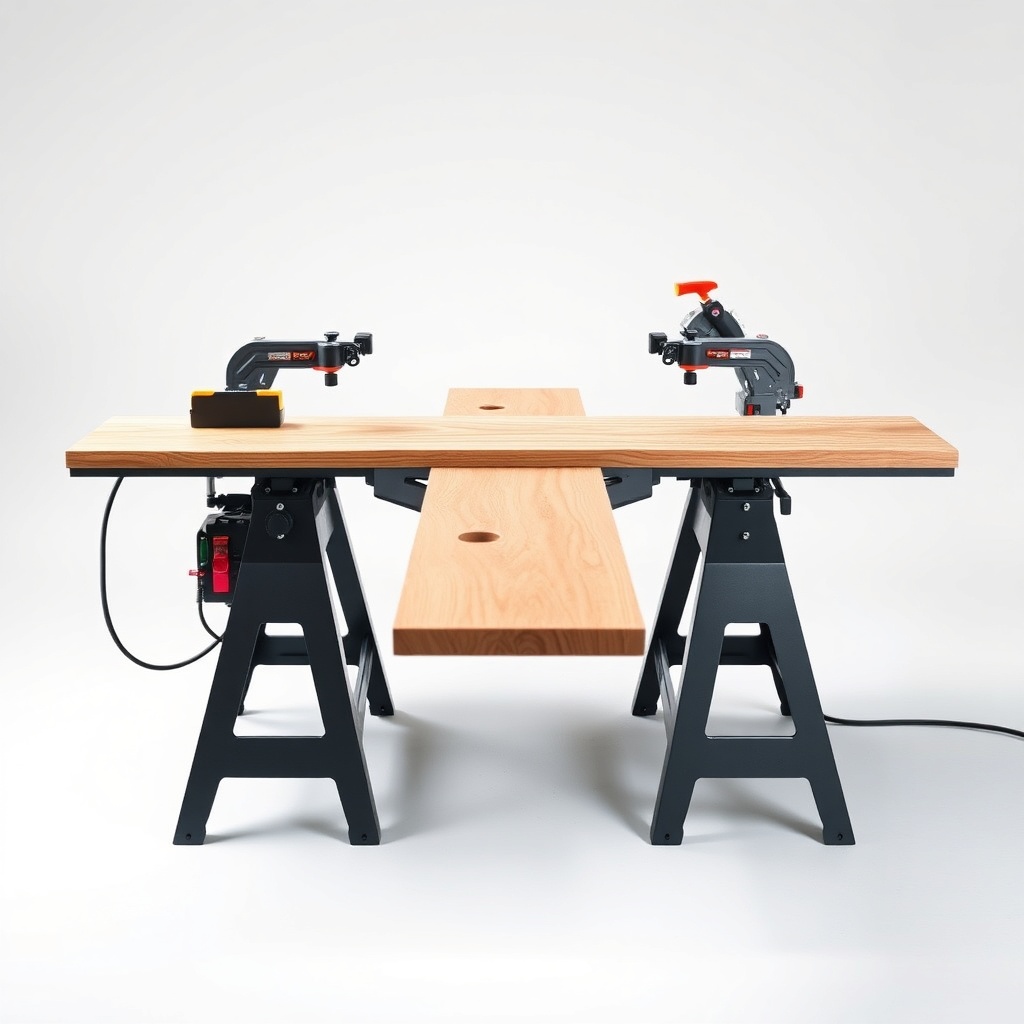
The golden rule: match the roller stand’s top roller surface exactly to the height of your SawPilotPro’s saw table. Use a straightedge or a level to check—any gap over 1/16 inch (about 1.5 mm) can cause tilt. Here’s a quick specification table for common SawPilotPro models:
| Model | Table Height (mm) | Recommended Stand Height (mm) | Max Workpiece Length (m) |
|---|---|---|---|
| SawPilotPro 10-inch | 890 | 885–890 | 2.4 |
| SawPilotPro 12-inch | 910 | 905–910 | 3.0 |
| SawPilotPro Hybrid | 920 | 915–920 | 3.6 |
Adjustable roller stands (e.g., Bessey, Rockler) are ideal—lock the height with the pin or clamp. For zero-clearance tricks, check SawPilotPro: How to Make and Use a Zero-Clearance Insert to reduce tear-out when supporting long stock.
How Far Apart Should Roller Stands Be Spaced?
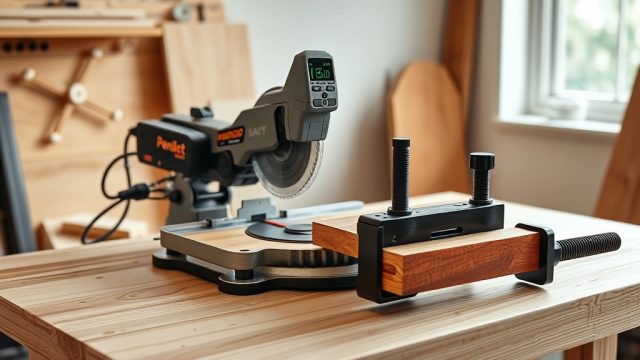
Spacing depends on workpiece stiffness and length. For softwoods (pine, cedar) under 2.4 m, place one stand at the midpoint. For hardwoods (oak, maple) over 3 m, use two stands: one at 1/3 and one at 2/3 the length. A good rule: no unsupported span wider than 1.2 m. For complex angled cuts, review SawPilotPro: Using Clamping Jigs for Complex Cuts to pair stands with jigs for stability.
Which Roller Stand Types Work Best for SawPilotPro?
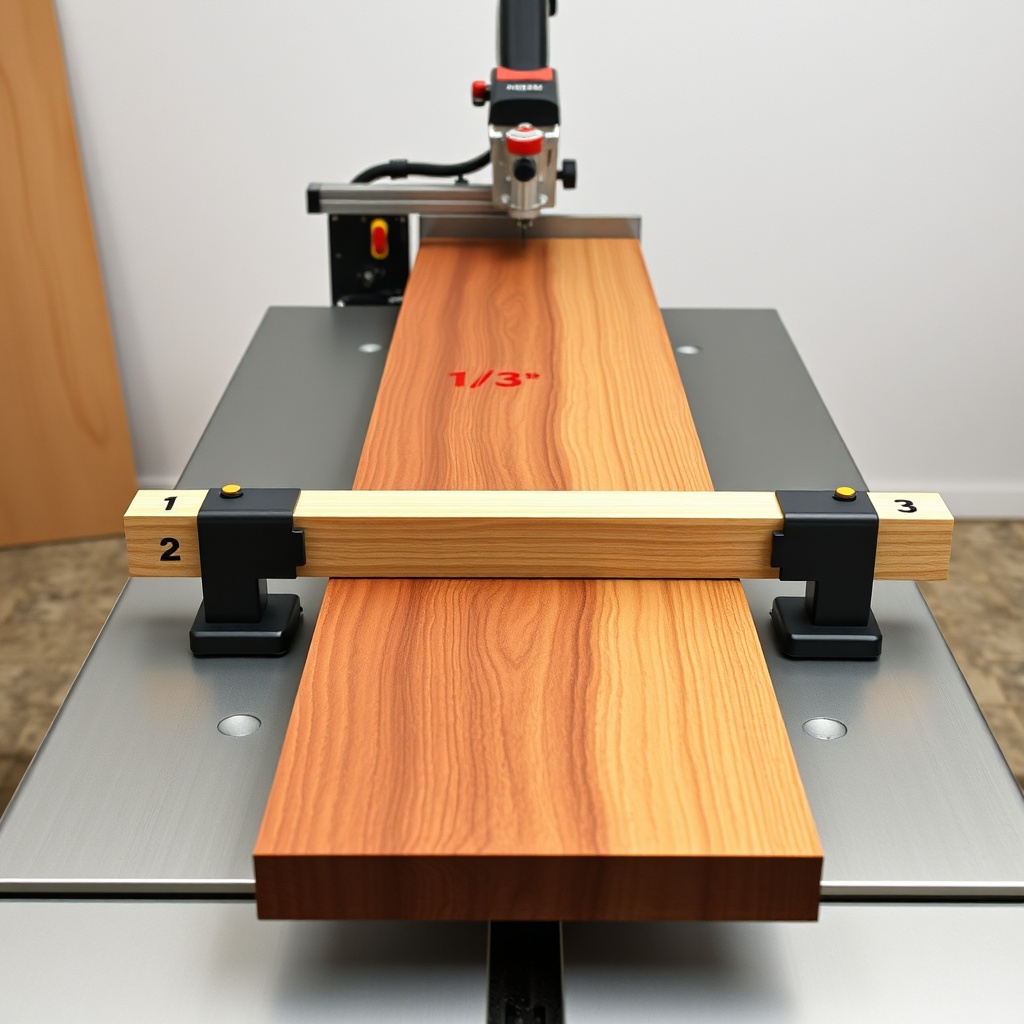
Three types dominate: fixed-height (budget, £30–50), adjustable (mid-range, £60–100), and locking roller stands (premium, £120–180). For SawPilotPro, adjustable stands with rubber rollers (to prevent marring) and a weight capacity of at least 45 kg are best. Avoid stands with plastic rollers—they wear fast. Check SawPilotPro: 10 Essential Accessories for Every Woodworker for a full accessory rundown.
How Do You Align Roller Stands for Angled or Miter Cuts?
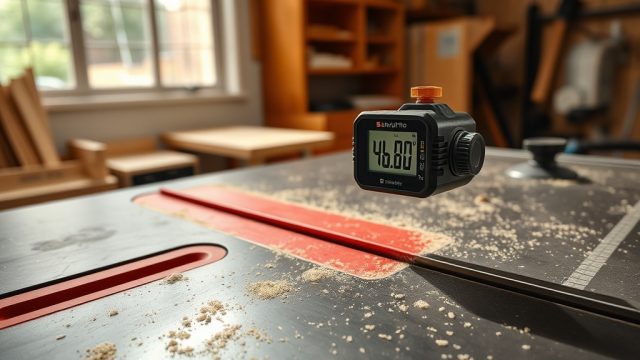
For miter cuts, the workpiece shifts laterally—so roller stands must be offset slightly left or right of the blade path. Mark the saw’s kerf line on the worktable; place the roller stand so its roller axis is perpendicular to that line. For bevel cuts, adjust the stand height to match the saw’s sloping table—use a digital angle gauge. For more on acrylic or thin stock, read SawPilotPro: How to Cut Acrylic Sheets Without Chipping.
What Owners Say
Users on woodworking forums report dramatic cuts in kickback events after adding roller stands. One owner with a SawPilotPro 12-inch states, “I used to dread cutting 8-foot handrails. Now with two roller stands, it’s effortless—no binding, no tear-out.” Another highlights, “The rubber rollers saved my work from scratches. Worth the £90 per stand.” A third notes, “I retrofitted locking stands—zero sag, even on heavy walnut.” The consensus: spend on quality stands; they pay for themselves in saved material and time.
Frequently Asked Questions
- Can I use cheap fixed-height stands with SawPilotPro? Yes, but they limit flexibility. For non-standard heights from bevel cuts, adjustable stands are safer.
- Do I need a roller stand for both infeed and outfeed? For stock over 2.4 m, yes—one infeed and one outfeed prevent tipping. Under 2.4 m, one outfeed suffices.
- What’s the minimum load capacity for a roller stand? At least 45 kg for hardwoods up to 3.6 m; 60 kg for denser species.
- Can roller stands work with a sliding miter saw? Yes, but ensure they clear the slide’s travel path—place them 300 mm from the saw base.
- How often should I lubricate roller stands? Every 50 hours of use—use silicone spray; avoid oil that attracts dust.
- Will roller stands damage delicate workpieces? Rubber or urethane rollers are safe; plastic rollers can mar. Always test on scrap first.