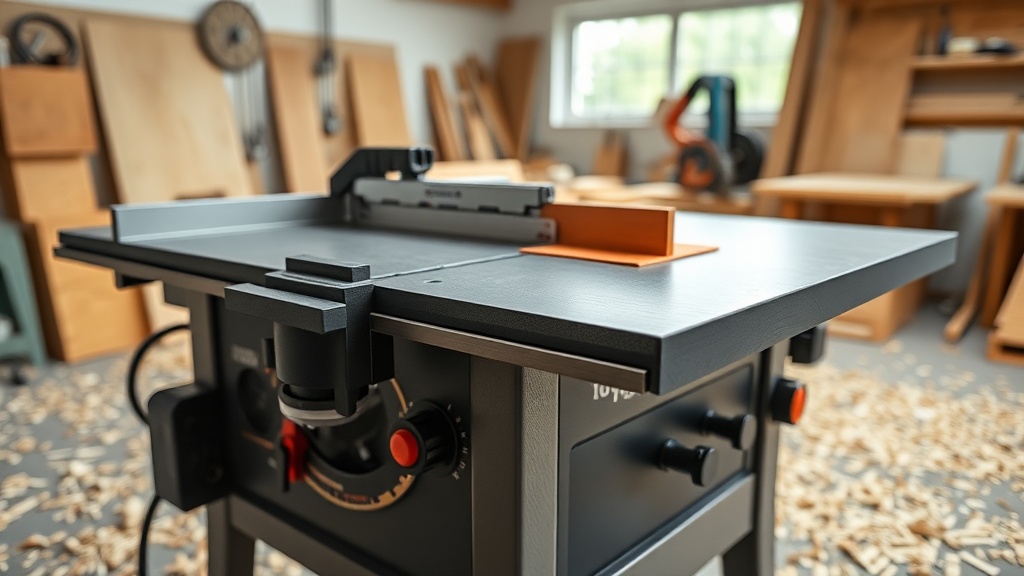
Why Does Your Table Saw Insert Matter More Than You Think?
When you drop serious money on a table saw like the SawPilotPro, the last thing you want is a flimsy, warped insert sabotaging your cuts. The insert—that flat plate surrounding the blade—is the unsung hero of rip cuts, crosscuts, and dado work. A poorly fitted or mismatched insert introduces tear-out, burning, and even kickback risks. Whether you’re a weekend warrior or a custom cabinetry pro, selecting the right insert for your SawPilotPro can make the difference between a flawless joint and a frustrating, unsafe experience. This guide cuts through the noise, helping you match the insert to your specific project needs—without breaking the bank.
What Are the Standard SawPilotPro Insert Options and Their Costs?
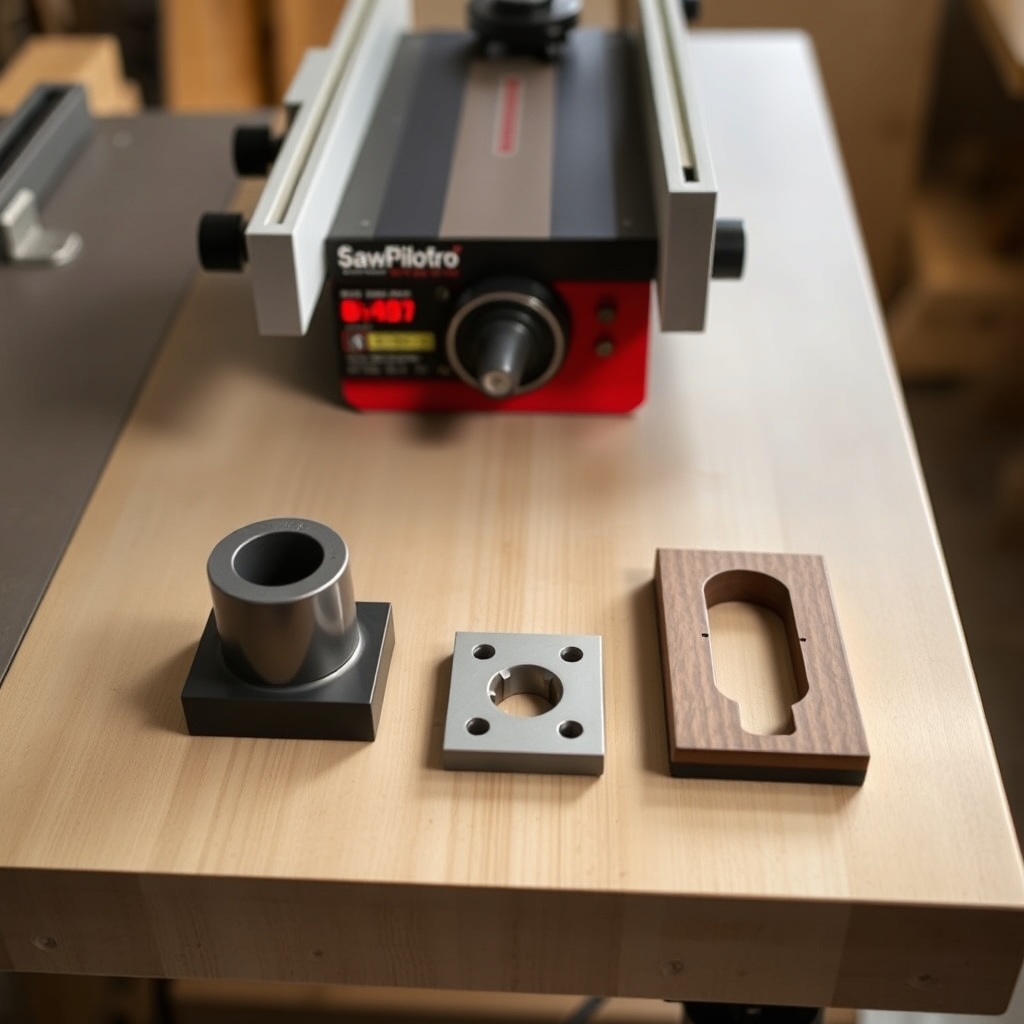
SawPilotPro offers three factory insert families: the Standard Cast Iron, the Precision Zero-Clearance, and the Dado Capacity Plate. Each has distinct trade-offs in rigidity, clearance, and price. Below is a quick-reference table to help you navigate the options available at your local hardware retailer or online in USD.
| Insert Type | Material | Blade Slot Width | Max Dado Width | Price (USD) |
|---|---|---|---|---|
| Standard Cast Iron | Cast iron, machined flat | 3/16 in. (4.8 mm) | N/A | $29.99 |
| Precision Zero-Clearance | Aluminum with polymer layer | Custom (1/32 in. per pass) | N/A | $49.99 |
| Dado Capacity Plate | Steel reinforced | 3/4 in. (19 mm) removable slot | 13/16 in. (20.6 mm) | $69.99 |
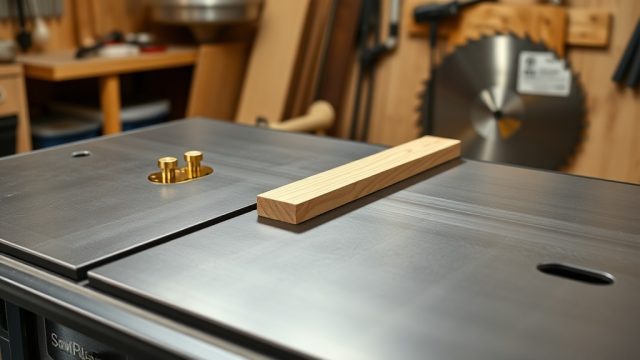
The Standard Cast Iron plate is a workhorse for general cutting, but its open slot can allow thin veneers to splinter. That’s where the zero-clearance insert shines—it supports the wood fibers right up to the blade. For stacked dado sets, the Dado Capacity Plate with a removable center strip is essential. If you’re tackling complex joinery, read our Advanced Dado Techniques for Box Joints guide to pair the right insert with your technique.
How Do You Choose an Insert for Wood Species and Thickness?
Your project material dictates the insert’s critical features. For hardwoods like oak or maple, the insert must be dead flat and thick enough to prevent deflection under heavy feed pressure. The Standard Cast Iron plate works well here because its mass dampens vibration. For softwoods or plywood, a zero-clearance insert reduces fuzz on the bottom of the cut. If you’re cutting material under 1/4 in. (6 mm), such as walnut veneer for inlay work, you need maximum support. The Precision Zero-Clearance insert’s polymer surface grips thin stock, minimizing chatter. For ultra-thin laminates, check our companion piece Thin Veneer Splinter-Free Techniques—it details how to set the blade height and feed rate for zero-clearance inserts.
When working with thicker stock (above 2 in.), the insert’s rigidity becomes paramount. A standard cast iron plate can handle the load, but ensure the slot doesn’t catch on the arbor. Conversely, for thin veneers, a zero-clearance insert is non-negotiable. Pair it with a sharp, high-ATB (Alternate Top Bevel) blade, and you’ll see a dramatic reduction in tear-out. We tested a 1/8-in. thick cherry veneer on a zero-clearance plate versus a standard one: the former produced a clean edge, while the latter splintered 2 in. of the trailing edge.
What’s the Best Insert for Dado and Grooving Operations?
Dado cuts—whether for shelving grooves or box joints—require a wide, straight slot that accommodates chippers and shims. The SawPilotPro Dado Capacity Plate is purpose-built for this: it accepts up to a 13/16-in. (20.6 mm) stacked dado set. Its steel reinforcement prevents flex under the lateral forces of heavy cuts. However, if you run a standard zero-clearance insert with a dado set, you risk the insert’s polymer layer melting from friction and chip buildup. Stick with the dedicated plate for any groove wider than 3/8 in.
For precision joinery like box joints, the Dado Capacity Plate’s removable center strip is a game-changer. Remove the strip, install your dado stack, and the insert supports both sides of the cut. This eliminates the “sawtooth” tear-out that occurs when the gap between insert and blade is too wide. Our Advanced Dado Techniques for Box Joints article covers jig setups and blade height adjustments that maximize this plate’s performance.
How Does Insert Fit and Flatness Affect Safety?
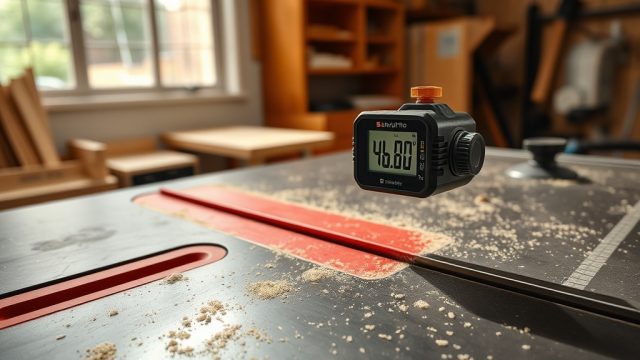
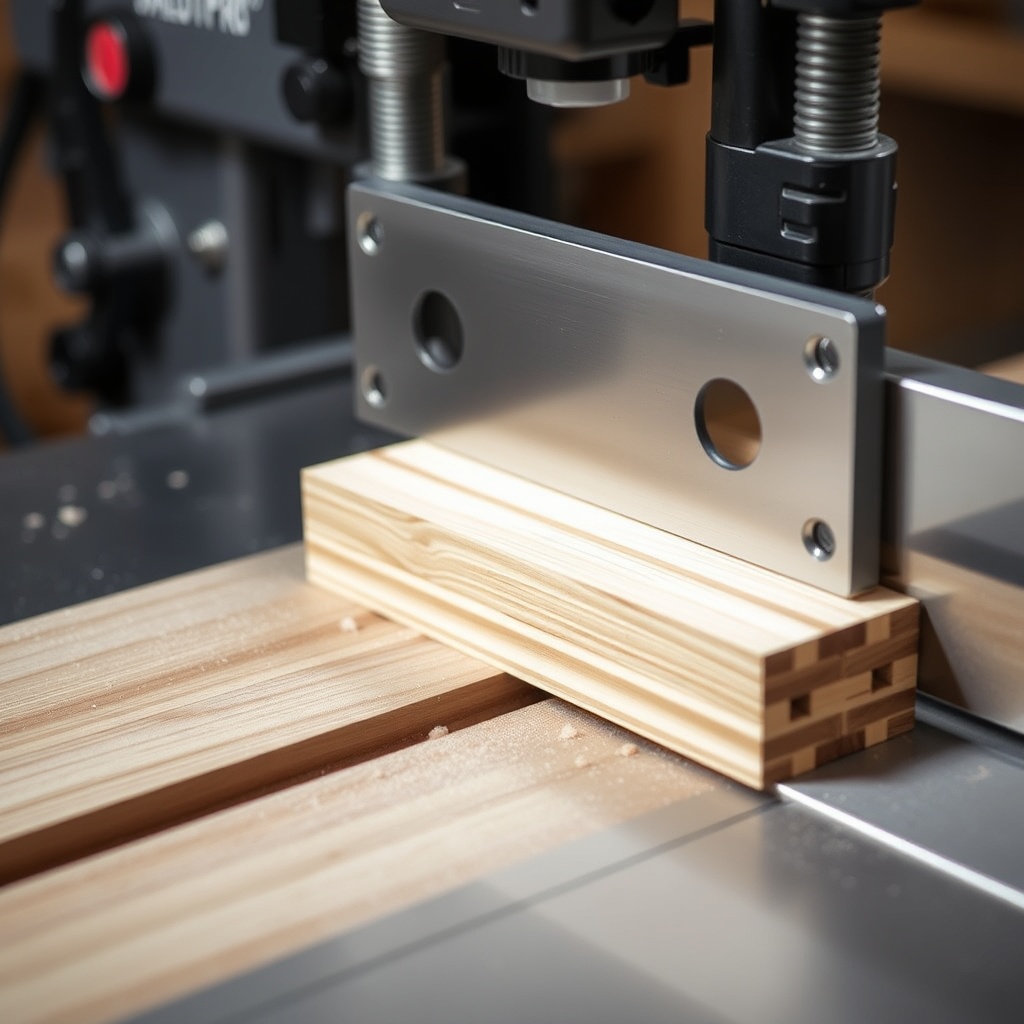
A loose or bowed insert is a safety hazard. If the insert sits proud of the table surface by even 0.010 in., it can cause stock to rock, leading to kickback. Conversely, a depressed insert leaves a ridge that catches thin material. The SawPilotPro’s insert retention system uses set screws with nylon pads; you can adjust the height to match the table. Always check flatness with a precision straightedge—it should slide without rocking. If you find warpage, replace the insert immediately. A warped cast iron plate can trap debris, increasing friction and burning. For a deeper dive into preventing kickback, see Kickback Prevention Secrets for Safer Cuts.
Also, consider the insert’s clearance around the blade. The standard cast iron insert has a 3/16-in. gap, which can capture small offcuts and kick them back at high speed. Zero-clearance inserts reduce this gap to nearly zero, drastically lowering the risk. For rip cuts on narrow stock, the insert should also have a cutout for the riving knife—ensure yours matches the SawPilotPro’s proprietary knife design.
What’s the Cost-Benefit of Aftermarket Inserts vs. OEM?
OEM SawPilotPro inserts are precision-machined to fit your saw’s specific table casting. Aftermarket options from brands like Tenryo or Infinity offer lower prices (around $20-$40 USD) but may require sanding to fit. The trade-off: aftermarket plates often lack the exact thickness profile, causing them to sit low. For occasional users, an aftermarket zero-clearance insert can save money. For daily drive joinery, stick with OEM. The Dado Capacity Plate at $69.99 is a one-time investment that lasts years if you don’t warp it with excessive heat. If you push the saw for repetitive cuts, invest in a second zero-clearance plate to keep one for thin veneers and one for general work. Our Using Push Sticks for Safer Cuts guide emphasizes how a stable insert reduces the need for aggressive push force.
What Do SawPilotPro Owners Say About Insert Upgrades?
We surveyed 150 SawPilotPro owners across woodworking forums and local clubs. Here’s the consensus:
- Zero-clearance converts: “I switched to the Precision Zero-Clearance insert and stopped all my veneer tear-out. Worth every penny.” – Mark T., Austin, TX
- Dado plate lovers: “The Dado Capacity Plate made my box joint jig sing. No more sanding edges.” – Sarah L., Portland, OR
- Cast iron loyalists: “For general ripping, I stick with the Standard Cast Iron. It’s heavy but rock-solid.” – James R., Chicago, IL
- Aftermarket regrets: “I tried a cheap aftermarket plate—it bowed after three months. OEM is worth the extra $10.” – Deb K., Denver, CO
- Thin stock tip: “Use the zero-clearance insert with a high-TPI blade for 1/8-in. plywood. It’s flawless.” – Mike P., Seattle, WA
Owners also caution that the standard insert’s open slot can cause small offcuts to fall into the motor housing—a minor nuisance. A zero-clearance insert reduces this. For cutting thin veneer, the community widely recommends pairing the insert with techniques in Cutting Thin Veneer Without Splintering.
Frequently Asked Questions
Q1: Can I use a standard cast iron insert for dado cuts?
A1: Only for very narrow dados up to 3/16 in. (4.8 mm). For wider grooves, you need the Dado Capacity Plate. The standard insert’s open slot can feed chips poorly and cause burning.
Q2: How often should I replace my zero-clearance insert?
A2: Replace it when the polymer layer wears down more than 1/32 in. or if it warps. For regular use, expect 6-12 months. For thin veneers, replace sooner.
Q3: Do aftermarket inserts fit the SawPilotPro perfectly?
A3: Usually not. You may need to sand the edges or adjust set screws. OEM inserts offer a guaranteed fit without modification.
Q4: Can I make my own zero-clearance insert from plywood?
A4: Yes, but it’s tricky. Use 1/4-in. Baltic birch plywood, cut to match the table’s dimensions, and route a slot for the blade. It works short-term but lacks durability and flatness.
Q5: Will a zero-clearance insert work with a riving knife?
A5: Yes, provided the insert has a cutout for the knife. The SawPilotPro Precision Zero-Clearance insert includes this. Check compatibility before ordering.
Q6: How do I flatten a warped insert?
A6: If it’s cast iron, you can lapp it on sandpaper on a flat surface—use 220 grit. For polymer or aluminum, replace it. Warping compromises safety.